5 Vet-Approved Dog Walking Tips: Planning & Etiquette


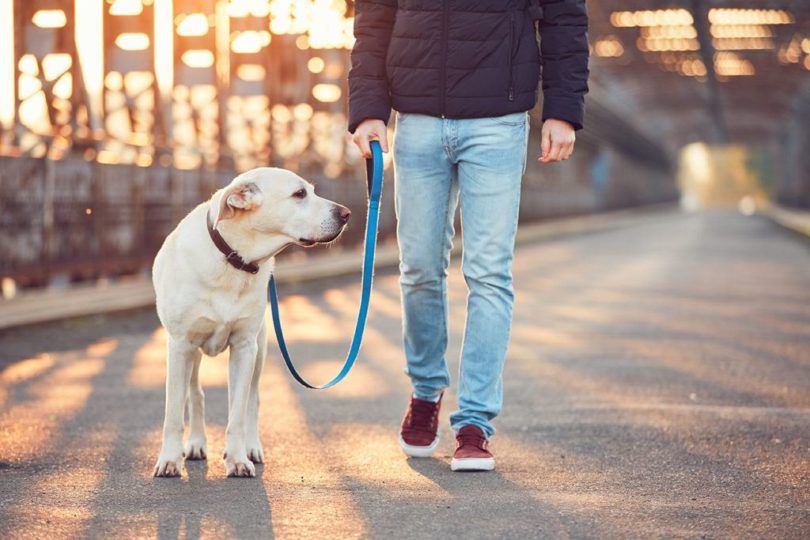
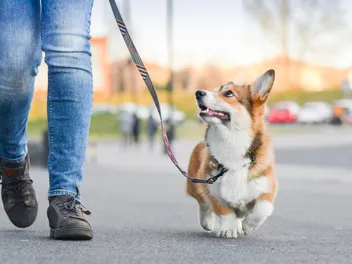
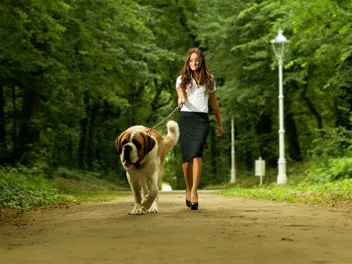
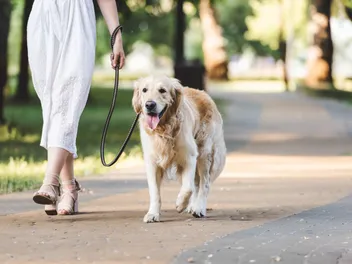
One of the most enjoyable parts of dog ownership is taking your pup on long, leisurely walks. Whether it’s around the block or in a pleasant park, walking your dog provides them with exercise, mental stimulation, and entertainment.
But for novice dog owners, learning how to walk a pooch for the first time can be intimidating. Luckily, we’re here to help! Here’s everything you need to know about walking your canine companion.

The 5 Vet-Approved Dog Walking Tips
1. Get Good Gear
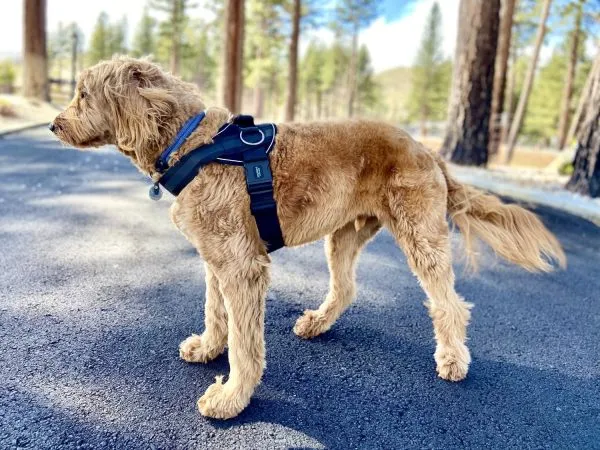
A dog walk will be only as good as the gear you get. To safely and comfortably take your pup for a stroll, you’ll need to invest in quality dog walking gear.
The best item to get your dog, regardless of their size, is a secure harness. For larger dogs or for dogs that are prone to pulling, harnesses that hook to the leash from the chest may be better suited. If your dog pulls, this may offer you more control, but training your dog from a puppy age and teaching them good manners on the lead is crucial for a safe and comfortable walk.
Make sure the harness properly fits your pooch. It shouldn’t be big enough for them to slither out of, nor should it be too tight.
Never use a pronged collar on your dog. This can cause discomfort or injury.
As for the leash, opt for a durable leash that accommodates your dog’s size. For a medium-sized dog, get a ½–¾-inch-wide leash. The ideal leash length is 6 feet long. This will allow your dog to wander around while still being securely attached to you.
Don’t forget a poop bag dispenser that can be attached to your leash.
2. Plan Ahead
To thoroughly enjoy a stroll with your dog, plan your walk in advance. Try not to walk them during peak dog walking hours if they’re shy, easily distracted or reactive. These are typically in the early morning and in the evening around 5:30 or 6 pm. If your dog is reactive or dislikes other dogs, it’s important to face the issue head on by speaking to a professional canine behaviorist.
For friendly and social dogs, walk your dog around the block or in the park. Ideally, you should be walking your dog two to four times per day, depending on their age, breed, exercise and bathroom needs.
Plan for the weather accordingly. If your dog is prone to heatstroke, with the risk being significantly higher in brachycephalic breeds, avoid walks on hot days. Always keep a fold-up dog dish and a bottle of water on you during walks and ensure there is plenty of shade.
Keep the times and number of your walks consistent. Dogs are creatures of habit and will appreciate the routine.
3. Let Them Sniff
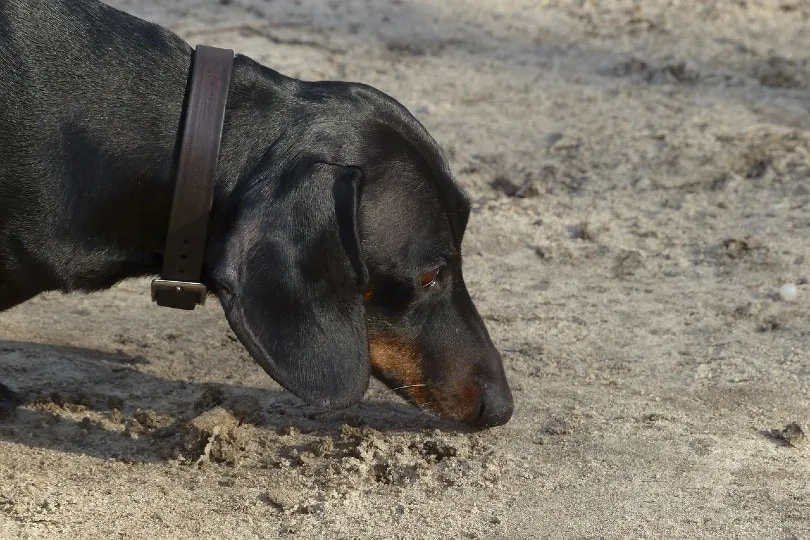
Did you know that dogs have more than 100 million scent receptors in their noses? They experience the world through smell. This is why it’s important to let your dog sniff around, even if it’s annoying or time-consuming for you. After all, it’s their walk, not yours!
If you don’t want your dog to smell every tree and shrub along your walking route, teach them basic commands such as “leave it” or “watch me.” This will take their mind off the scent and focus their attention back on you.
4. Pick Up Poop
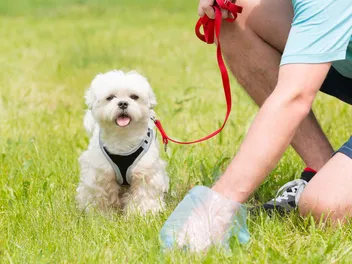
While this might not be the most pleasant experience on your walk, cleaning up after your dog is good dog owner etiquette. Not only is dog feces smelly, but it can also contaminate the environment. If a dog has parasites, another canine can be at risk of picking them up by smelling or snacking on their poop.
Always carry dog poo bags with you on your walks.
And while you can’t wash away your dog’s urine every time they pees, you can curb your pet from urinating on houses, fences, mailboxes, and cars. Designate their pee spots to grassy areas away from other people.
5. Don’t Let Your Dog Free Roam
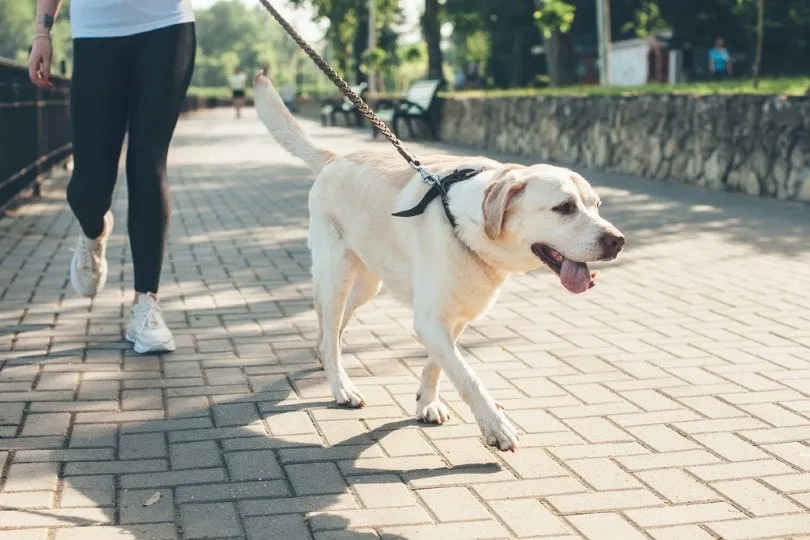
While it may seem tempting to let your dog run free, even the most well-trained dogs could run off. A loose dog is at risk of getting lost, getting hit by a car, or getting attacked by a wild animal or another dog. Keep your dog on a leash at all times, unless they are in a securely fenced-in dog park. Keep ID tags on your pet’s collar and get them micro-chipped.
Conclusion
Dog walks can be a fun and enjoyable experience even for first-time dog parents. Buy the right gear, train your dog, plan your routes, let your dog smell the roses, and never let them run off-leash in unsupervised areas that aren’t fenced off.
With these tips, you’ll become a dog walking pro in no time!
Looking for more basic dog guides? Try:
Featured Photo Credit: Jaromir Chalabala, Shutterstock
Expert dog care, straight to your inbox
News, insights, expert advice, and everything dog.

No spam — unsubscribe anytime.
By signing up, you agree to our Terms & Conditions and Privacy & Cookies Policy.
How useful was this post?
Click a star to rate. You can leave written feedback afterwards. (We read all feedback.)
Nicole has loved animals of all sizes her whole life so it's no wonder she has dedicated her career to helping them through what she loves best: learning, writing, and sharing knowledge with others. She’s the proud mom of two dogs, a cat, and a human. With a degree in Education and 15+ years of writing experience, Nicole wants to help pet parents and pets around the planet to live happy, safe, and healthy lives.